Why Perkins Coie’s Lawsuit Against the Trump Administration Should Alarm Us All.

Imagine you’re in a legal battle—perhaps defending your business, your home, or even your freedom. Now, picture your attorney being stripped of their ability to represent you because the government disapproves of their past clients. This isn’t a dystopian scenario; it’s unfolding right now with the Trump administration’s actions against the law firm Perkins Coie.
The Executive Order: A Direct Attack on Legal Representation
On March 6, 2025, President Trump issued an executive order that:
- Revoked security clearances for Perkins Coie attorneys.
- Restricted their access to federal buildings.
- Directed federal agencies to terminate contracts with the firm’s clients.
The administration justified these measures by accusing Perkins Coie of “dishonest and dangerous activity,” citing their previous work for Hillary Clinton’s 2016 campaign and their internal diversity initiatives, which the order labeled as discriminatory against white individuals.

Perkins Coie’s Response: Fighting Back
In response, Perkins Coie filed a lawsuit against the administration, asserting that the executive order is “patently unlawful” and infringes upon constitutional rights, including free speech and due process. The firm argues that the order aims to intimidate and retaliate against those who represent clients opposing the administration.
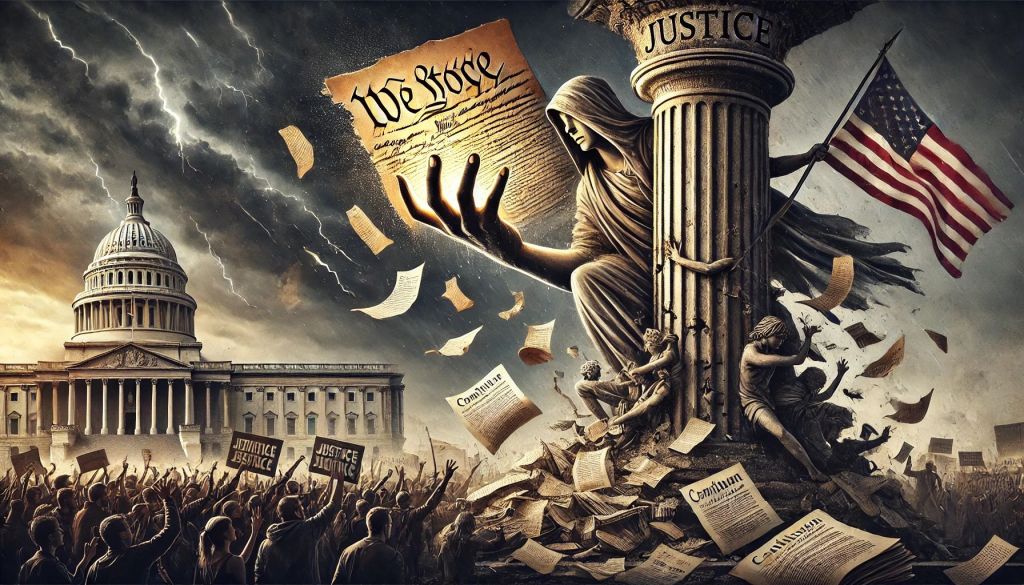
Implications for Everyday Americans.
This situation isn’t just a legal scuffle between a law firm and the government; it has profound implications for all of us:
1. Erosion of Legal Representation: If the government can penalize attorneys for representing certain clients, it undermines the principle that everyone deserves legal representation. This could deter lawyers from taking on cases that challenge governmental actions, leaving individuals and organizations vulnerable.
2. Chilling Effect on Advocacy: Such punitive measures could discourage law firms from advocating for causes or clients deemed unfavorable by those in power, stifling dissent and weakening checks on governmental authority.
3. Threat to Constitutional Rights: Targeting a law firm based on its clientele and internal policies sets a dangerous precedent that threatens fundamental rights, including free speech, association, and equal protection under the law.

Judicial Intervention: A Temporary Reprieve
Recognizing the gravity of the situation, U.S. District Judge Beryl Howell issued a temporary restraining order blocking parts of the executive order. Judge Howell noted that the president’s actions could have a chilling effect on legal advocacy, emphasizing that the justice system relies on all parties having zealous representation.
Conclusion: Vigilance is Essential
The administration’s actions against Perkins Coie represent a troubling encroachment on the independence of the legal profession and, by extension, our justice system. It’s crucial for citizens to remain vigilant and support the institutions that uphold our constitutional rights. As Perkins Coie’s lawsuit underscores, defending the rule of law is not about partisanship; it’s about preserving the foundational principles of our democracy.
For a comprehensive understanding of these developments, you may refer to the following sources:
- https://www.wsj.com/us-news/law/law-firm-sues-trump-administration-over-retaliation-e6c48aeb?utm_source=chatgpt.com
- https://nypost.com/2025/03/12/us-news/steele-dossier-law-firm-perkins-coie-sues-trump-executive-order-stripping-security-clearances/?utm_source=chatgpt.com
- https://www.reuters.com/legal/us-judge-temporarily-blocks-trump-order-targeting-law-firm-perkins-coie-2025-03-12/?utm_source=chatgpt.com
 Sadity Esq
Leave a comment