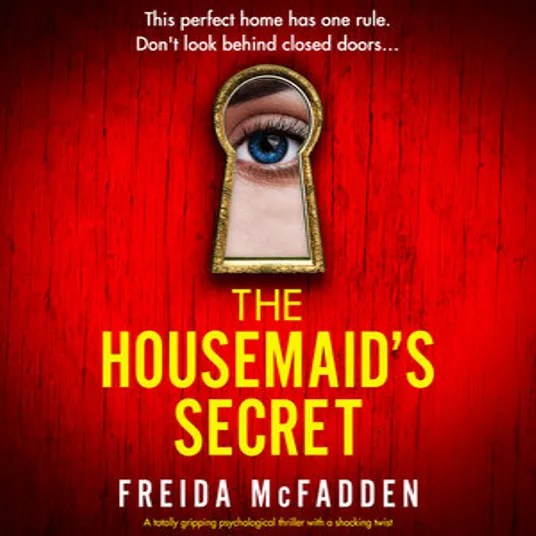
The Housemaid’s Secret — A Sadity Esq. Review
This one isn’t just a thriller; it’s a lesson in what happens when you try to manage perception instead of the truth.
Freida McFadden delivers a fast-paced story layered with control, silence, and shifting narratives. Reading it as an attorney, what stands out isn’t just the suspense. It’s the strategy behind what’s said. It’s also about what’s withheld and what comes out too late.
Millie walks into another home where something feels off. Like many individuals with a past, she believes it might be used against her. She operates from a place of fear. It’s not just about harm but also about discovery. That fear shapes every decision she makes.
And that’s where the real issue begins.
From both a legal and relational standpoint, half-truths are rarely protective. They create gaps. Gaps invite questions. And questions, over time, erode credibility.
Millie doesn’t lose control all at once, it’s incremental:
- by withholding context
- by managing how she’s perceived
- by delaying the full truth until it no longer carries weight
What could have been addressed early becomes something that has to be unraveled under pressure.
And that’s the tension throughout the book: not just what is happening, but who controls the narrative.
Because once your story starts shifting, even slightly, you’re no longer presenting facts. You’re reacting to assumptions.
What works:
- Tight pacing that keeps you engaged
- Psychological tension rooted in power dynamics
- Twists that feel like delayed disclosures, not gimmicks
What doesn’t:
- Some scenarios stretch realism
- Character depth takes a backseat to plot
Bottom line:
The Housemaid’s Secret is a reminder that silence and half-truths don’t protect you. In law and in life, the issue is never just what happened.
It’s whether you told it straight the first time.
 Sadity Esq
Leave a comment